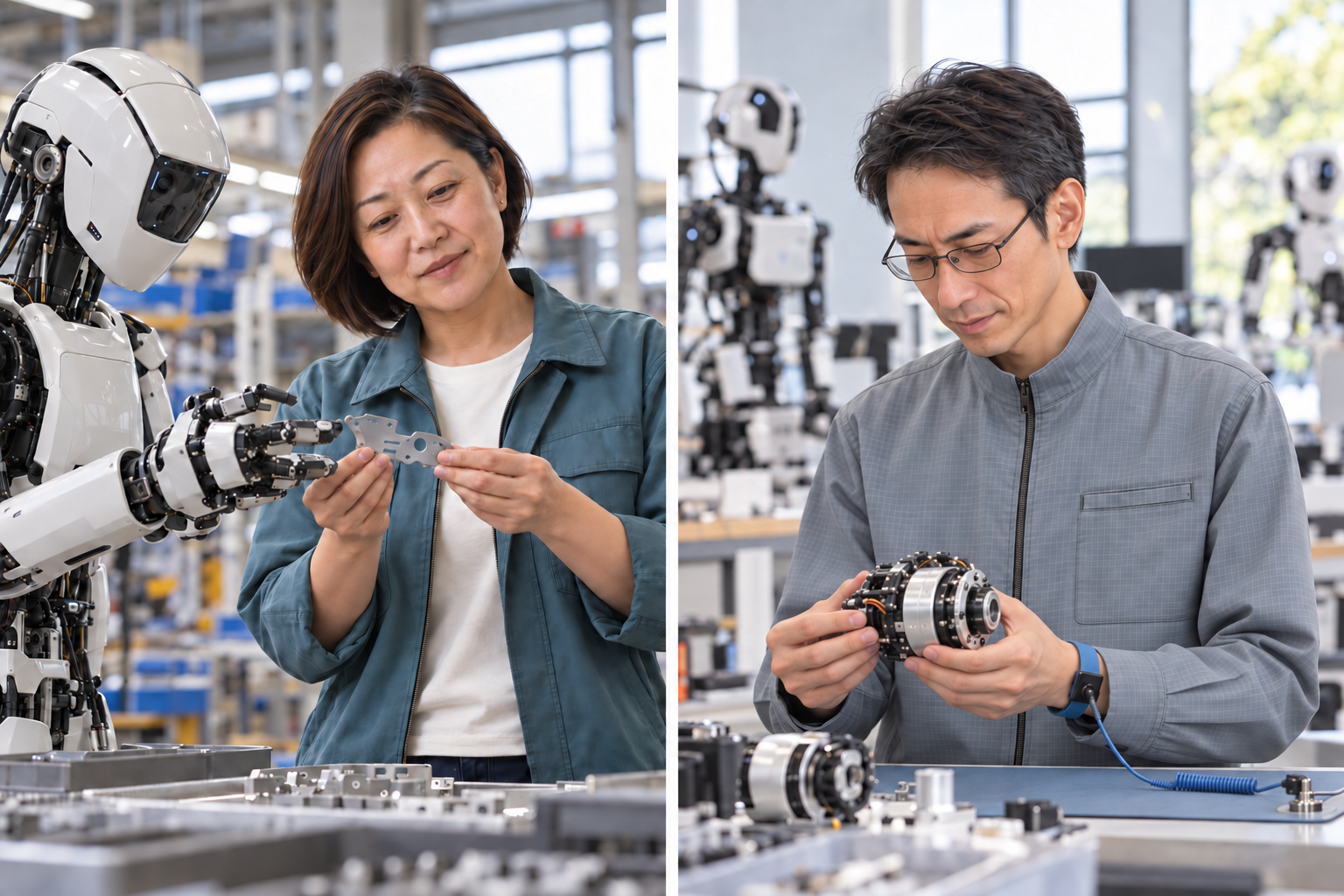
OBSERVEDChina’s robotics companies are increasingly recording people’s movements and decisions to train machines for real-world tasks. In a report published on November 2, Reuters interviewed a Spirit AI executive who said the company employs around 1,000 people to record household and industrial work. Another developer described 160,000 hours of training material and said robots were handling orders at two Shanghai pharmacies, with people still checking the medicine. Battery maker CATL has also described robots performing wiring tasks on a production line. Deployment figures and success rates include company claims, however, and this is not evidence that a general-purpose robot can independently perform any job.
DONEXT!!Putting a robot to work takes more than manufacturing the machine. People must first demonstrate tasks and check whether the robot can perform them safely. As workers’ practical skills become reusable training data, how will the work of teaching, the value of that knowledge, and the tasks assigned to robots change? These early deployments offer a way to follow that transition.

 →